Warehouse Pest Management in North York, ON
How Warehouses in North York Need Specialized Pest Control
Warehouses in North York face distinct pest pressures than residences, offices, or retail spaces. With dense commercial and industrial corridors near Highway 401 and the DVP, frequent deliveries, shared infrastructure, and continuous movement of goods create ideal conditions for infestations to move quickly. Effective warehouse pest control is not just about reacting to a problem; it is about protecting warehouse operations, inventory, and compliance before damage becomes expensive.
For companies needing pest control North York services, the main challenge is that commercial facilities often have greater entry points, bigger storage volumes, and more harborage areas than smaller buildings. Doors open often, pallets stack high, and shipments can conceal pests. That makes commercial infestations harder to detect early and harder to contain once they begin.
In a North York commercial facility, pest issues can affect everything from shipping schedules to tenant relations and insurance claims. A solid response focuses on risk management, not just emergency treatment. That means building a proactive program that supports inventory protection, food safety, and long-term compliance.
Frequent Warehouse Pests in North York Facilities
The most common warehouse pests in North York include rodents, particularly common mice and rats, plus roaches, product-damaging insects, and occasional ants. These invaders thrive in warm storage areas, around packaging debris, and anywhere food residue, moisture, or clutter create shelter.
Rodent control is among the most pressing concerns in industrial storage settings. Mouse control matters because mice can squeeze through very small openings, contaminate inventory, and damage electrical wiring or packaging. Rats management is equally important in warehouses with exterior dumpsters, loading bays, or nearby food handling operations. In North York, winter cold in the Greater Toronto Area can drive rodents indoors, increasing pressure on buildings from Downsview to Don Mills and beyond.
Cockroach control is another key issue, especially in warehouses that store food, beverages, packaging, or goods with organic residue. Cockroaches can hide in cracks, around drains, and behind equipment. Ant control may seem less severe, but ants often signal access to moisture or food traces and can become a recurring issue if the source is not addressed.
Storage product insects are highly relevant for facilities that receive dry goods, paper products, grains, or packaged food. Common examples include pantry beetles and moths, which can infest inventory and spread from one pallet to another if shipments are not checked. Because these insects often travel in delivered goods, prevention depends on inspection and monitoring rather than waiting for visible activity.
Symptoms of a Pest Infestation in a North York Warehouse
Early detection is vital in warehouse pest control because pests can breed rapidly and travel through a facility before staff notice the entire extent of the issue. The earliest clues often appear in hidden or low-traffic areas such as rear rooms, storage racks, utility spaces, or behind pallets.
Typical signs include droppings near walls, shelving, or around loading zones. Rodent droppings are a solid clue that activity is ongoing or recent. You may also notice bite marks on cardboard, wood, plastic, or electrical insulation, which often point to mice or rats in search of food or nesting material.
Active insects are another evident sign, but they are often only the visible part of a larger problem. Seeing a few cockroaches, beetles, or moths may mean the infestation is already embedded inside harborage areas or within packaged goods. In many cases, warehouse staff first notice the problem through product damage such as torn packaging, chewed labels, contamination, or rejected shipments.
Other signs include odd odors, grease marks along walls, nesting material, and damage to insulation or stored products. If your North York warehouse is near busy commercial zones like Yorkdale or Don Mills, frequent deliveries and shared building access can make it even more important to catch these signals early. Prompt action reduces contamination risk and protects the rest of the inventory.
How Pest Control for North York Warehouses Works
Reliable pest control for North York warehouses begins with a careful assessment. The goal is to detect pest activity, entry points, food and moisture sources, and conditions that promote recurrence. A strong inspection looks beyond visible pests and examines the whole building, including exterior doors, dock plates, utility penetrations, drains, and storage layout.
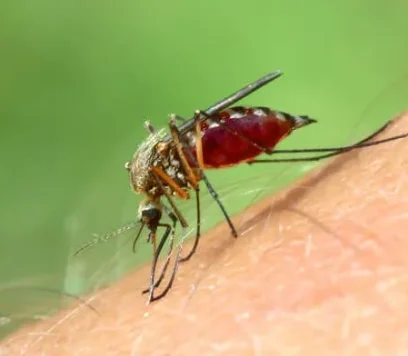
After inspection, the technician prepares a site-specific control plan based on the pest type, level of activity, and operational needs of the site. For warehouses, treatment is usually part of a broader program that includes observation, sealing, and housekeeping. That combination is what makes commercial pest control more effective than one-time service alone.
Tracking helps show where pests are active and whether the situation is improving. This may involve tracking devices, inspections of problem areas, and follow-up visits. Sealing means sealing gaps, repairing door sweeps, closing utility openings, and addressing structural weaknesses so pests cannot keep entering the building. Housekeeping focuses on removing food residue, clutter, and shelter conditions that support infestation.
Because warehouse environments change constantly, the best programs are built around the realities of warehouse operations. That means working around shipment schedules, shift changes, and safety requirements while still delivering consistent damage control and prevention.
IPM for Commercial Storage Sites
Integrated pest control, or IPM, is the most efficient solution for major commercial storage sites in North York. IPM emphasizes lasting prevention through a combination of inspection, monitoring, hygiene, sealing access, focused treatment, and continuous evaluation. Rather than just relying on routine spraying, IPM reduces pest pressure by addressing the conditions that support it.
In warehouse settings, IPM is especially important because it promotes compliance, lowers contamination risk, and helps avoid unnecessary disruption to operations. A good IPM program includes preventive maintenance so small problems do not become major losses. This can involve repairing gaps around roll-up doors, improving dock seals, fixing screens, maintaining drains, and managing clutter that lets pests to hide.
Pest monitoring devices are a core part of IPM. These devices help identify patterns of activity and determine whether pests are entering from outside, moving through storage areas, or concentrating near waste, moisture, or food handling zones. In warehouses, devices are often placed near walls, utility areas, loading docks, and other likely access points.
IPM is particularly powerful for reducing recurrence because it creates a cycle of checking, fine-tuning, and confirmation. For North York businesses managing high-value inventory or regulated products, this structured system supports better compliance and stronger risk control over time.
Warehouse Pest Prevention Advice for North York Businesses
Prevention is the most cost-effective part of pest control North York warehouse operators can invest in. Once pests get into a large storage space, they can move quickly through racks, pallets, and adjoining units. Keeping them out in the first place protects inventory, reputation, and workflow.
Start with the loading docks. These are among the most common entry and transfer points for pests because doors open often and deliveries come and go throughout the day. Maintain dock areas clean, inspect shipments promptly, and make sure seals, thresholds, and doors are in good condition. Even small gaps can become entry points for mice and insects.
Waste storage should be managed carefully. Exterior waste containers need secure lids, regular removal, and placement away from entrances when possible. Overflowing waste attracts rodents, cockroaches, flies, and ants, and it can quickly undermine a sanitation program. Waste and recycling areas should be part of the daily cleaning routine, not an afterthought.

Stored food requires strict control even in warehouses that are not food businesses. Snack rooms, break areas, damaged product, and any stored food for staff can attract pests if left exposed. Keep food in sealed containers, clean spills immediately, and separate consumable goods from general storage.
Equipment movement can also affect pest prevention. Heavy movement can knock over debris, open up stored materials, and spread contamination from one area to another. Operators should maintain clear aisles, reduce clutter, and keep pallet staging areas organized so cleaning and inspection remain effective. In busy North York facilities, a consistent housekeeping routine is one of the best forms of prevention.
Other useful actions include sealing entry points, limiting standing water, training staff to report signs of pest activity, and making sure deliveries are inspected before products are put into protected storage. These steps reduce risk while supporting overall warehouse operations.
Choosing a Pest Control Company in North York
Not all providers understand the demands of a warehouse environment. When picking a pest control company in North York, look for a licensed exterminator with direct experience in commercial pest control, especially in storage, logistics, and industrial facilities. Warehouse service requires a different mindset than residential treatment because the goals include operational continuity, documentation, and long-term prevention.
See whether the company offers a customized service plan. A strong service plan should include inspection, monitoring, treatment, exclusion recommendations, and follow-up visits. It should likewise consider the size of the facility, product type, shipment frequency, and any food safety or tenant requirements that apply to the site.
Local experience matters in areas like Yorkdale, Don Mills, and Downsview, where commercial traffic, mixed-use corridors, and aging building stock can increase pest pressure. A provider familiar with North York should understand how seasonal changes, adjacent businesses, and building design affect pest entry and recurrence.
It is also smart to choose a company that communicates clearly with managers, maintenance teams, and property staff. The best providers explain findings, document their work, and recommend practical next steps that fit the site’s operating rhythm. For warehouse operators, that kind of partnership is as important as the treatment itself.
Regional Compliance and Risk Considerations in North York
Business pest management in North York is not only about stopping visible infestation signs; it is also about meeting health regulations and safeguarding the business from avoidable operational and legal exposure. Warehouses that store food, consumer goods, or regulated products may be subject to ongoing health inspections, internal audits, or customer compliance checks.
That is why documentation matters. Commercial facilities in North York may need clear records of inspections, monitoring results, service visits, and corrective actions. These records support compliance, show due diligence, and help demonstrate that the business is actively managing risk. They can also be valuable for tenants, landlords, insurers, and property management teams that need proof of proactive maintenance.
Proactive prevention is especially important in North York because the area sits within Toronto’s dense commercial network. Warehouses near major routes handle constant product flow, which increases exposure to pests through shipments, shared loading zones, and neighboring businesses. A strong program helps protect food safety, reduces contamination concerns, and supports a smoother relationship with inspectors and stakeholders.
For facilities with high turnover, multiple tenants, or mixed storage uses, it is smart to review the pest control program regularly. Changes in occupancy, inventory type, or seasonal demand can alter the risk profile quickly. Good compliance is continuous, not occasional.
FAQ About Warehouse Pest Control in North York
How frequently should a North York warehouse have pest inspections?
https://toronto-onln359.yousher.com/what-to-do-if-you-find-hornets-near-your-north-york-homeMost warehouses benefit from routine inspections on a monthly or biweekly basis, depending on product type, activity level, and risk. High-risk sites near loading docks, food storage, or recurring rodent pressure may need a tighter service schedule. The right inspection frequency depends on the facility’s history, layout, and compliance requirements.
Which pests are the most common in warehouses in North York, ON?
Typical pests include mice, rats, cockroaches, ants, and stored product insects such as flour beetles and moths. Rodents are often common where there are loading docks, garbage storage, or gaps in the building envelope. Stored goods and packaging can also attract insect activity if prevention is inconsistent.
How much is warehouse pest control cost in North York?
Pricing depends on the size of the warehouse, the type of pest, the level of infestation, and whether the work requires ongoing monitoring or exclusion repairs. A compact facility with standard prevention often costs less than a large site with repeated activity or contamination concerns. A smart approach is to request a site-specific assessment and service plan.
Can pest control be done without disrupting warehouse operations?
Yes. Professional commercial pest control is typically designed to fit around warehouse operations, shift schedules, and shipping windows. Technicians can often work before opening, after hours, or in designated zones to minimize disruption. Good communication between the provider and site management is essential for smooth treatment timing.
What measures help stop rodents and insects in a warehouse?
Key steps include exclusion, sanitation, and monitoring. Seal entry points, keep loading docks in good repair, manage garbage storage properly, store food securely, reduce clutter, and use pest monitoring devices to catch problems early. Regular inspection and preventive maintenance are also critical for reducing recurrence and protecting inventory.